
LEGAL AND MORAL RESPONSIBILITY OF THE OWNER
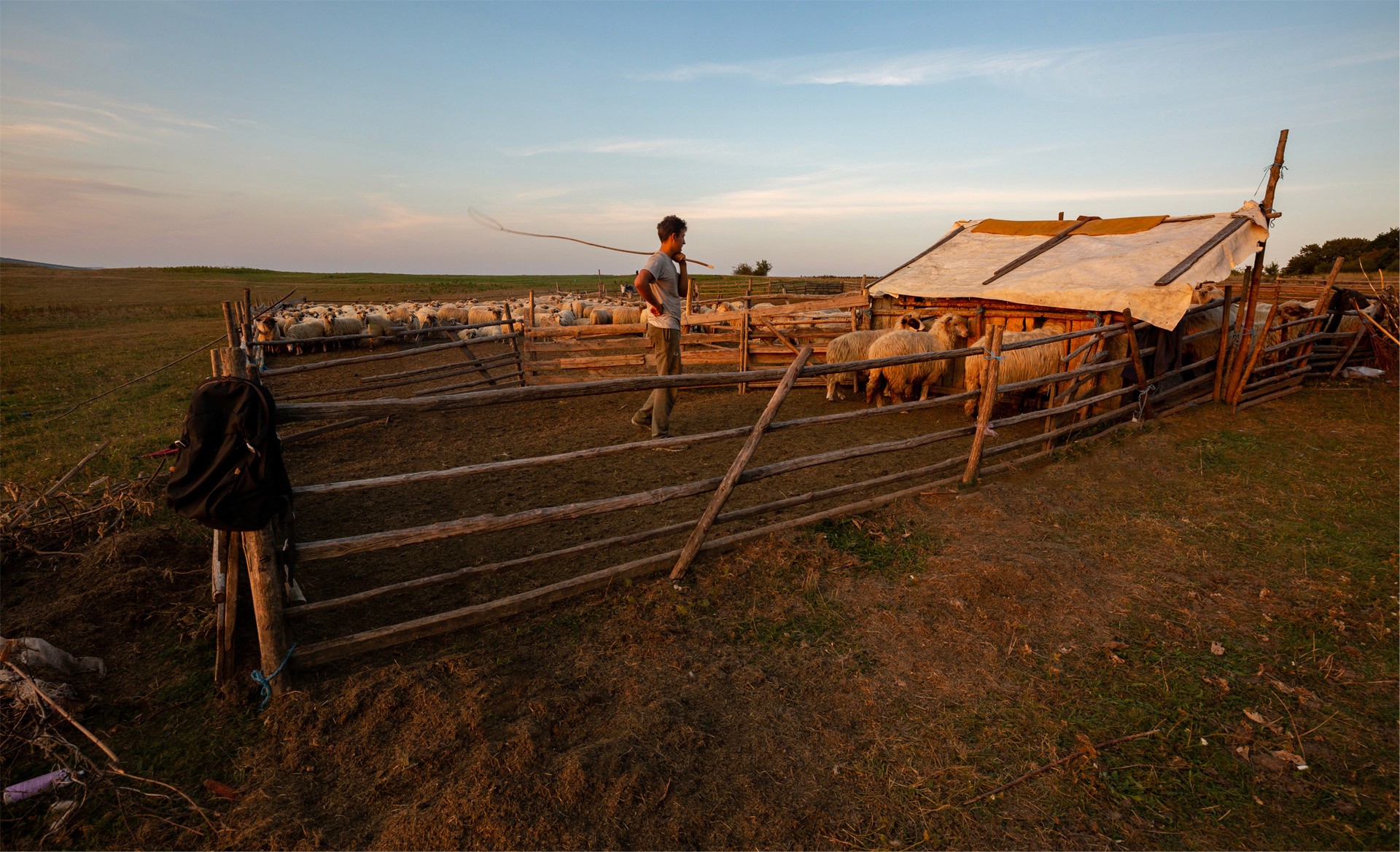
The shepherd/owner who can control his dogs is perceived by them as their leader
The shepherd/owner who can control his dogs is perceived by them as their leader, so his attitude is decisive for the dogs’ reaction. His presence, calm, and correct intervention prevent attacks. In the absence of preventive actions and supervision, the dog cannot be considered solely responsible.
Legislation and ethics require responsibility to lie with the owner, who must ensure proper conditions and prompt intervention to prevent any possible attack by dogs against humans or other animals.
The shepherd is the central element in controlling shepherd dogs, which act according to the logic of a defensive pack, with the human leader as their absolute reference point.
Regardless of legal interpretations, the shepherd is the first and most effective “safety device.” No technical measure, collars, microchips, warnings, or various devices, can compensate for the lack of human intervention.
A responsible shepherd prevents incidents, protects tourists, protects dogs, and thus protects his own activity. Shepherd dogs are effective only under the firm control of the shepherd. His presence, calm, and intervention make the difference between protection and danger.
In isolated cases, there are also situations in which the shepherd/owner cannot control the dogs. Then one of the dogs will take over the role of pack leader. This is a dangerous situation and must be reported immediately.

Conduct of the shepherd that prevents danger
Present and active shepherd
The shepherd must be present and active within the dogs’ visual and auditory range. This prevents attacks.
Knowledge of public trails
Avoid placing the sheepfold directly on the Via Transilvanica trail. The shepherd must know whether the flock intersects tourist trails, forest roads, or traditional paths. In these areas, vigilance must be increased.
Numerical control of dogs
The shepherd is responsible for respecting the legal number of dogs in relation to the number of animals. The law clearly provides: plains: max. 3 dogs / 300 sheep; hills: max. 4 dogs / 300 sheep; mountains: max. 6 dogs / 300 sheep. In addition, one more dog is allowed for every additional 100 sheep, regardless of area.
Familiarizing dogs and training them for defensive guarding
Familiarization is done through progressive and controlled exposure to the presence of people and by helping the dogs distinguish between a real threat and simple human presence. Defensive guarding training means protecting the flock through deterrence and blocking, not through attack.
Removing excessively aggressive dogs from service
Dogs that are difficult to control and ignore commands must be removed from service.
When hikers are observed
The priority is controlling the dogs. Intervention must be prompt, before the hiker is surrounded, using firm, short commands known to the dogs, with an authoritative and calm tone, without panicked shouting.
If the hiker is surrounded
The shepherd gives firm commands to stop the dogs and moves toward the critical area.
Conduct of the shepherd if the dogs attack
The absolute priority is stopping the attack
firm and repeated vocal command;
rapid movement toward the incident site;
physical interposition between the dogs and the hiker;
active removal of the dogs by any means.
Protecting and caring for the victim
removing the victim from the flock perimeter;
assisting the victim if the attack resulted in a bite;
emergency call to 112;
facilitating transport to a medical facility, if the situation requires it;
full cooperation with the authorities.
Measures after the attack
clear identification of the dangerous or aggressive dog and isolating it until assessment;
correcting the placement of the sheepfold or the method of supervision;
adjusting the number of dogs if there are excesses compared to legal provisions;
full cooperation with the authorities.
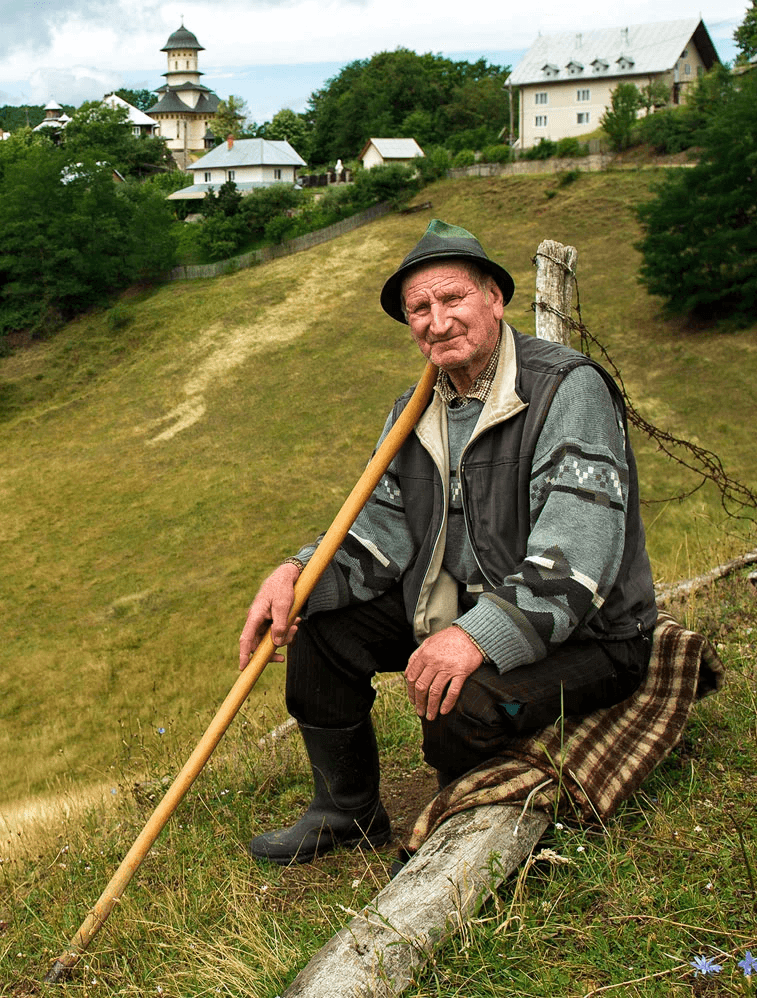
Shepherd behaviors that escalate danger
Absence
Total absence, the sheepfold left only in the care of the dogs. Dogs without a human leader become autonomous within the pack, one dog becomes the leader, and they become unpredictable. This is the scenario with the highest risk of serious injury.
Passivity
“Don’t worry, it doesn’t bite” is false and dangerous. Lack of reaction tells the dogs that the threat is real.
Hikers perceived as “unwanted intruders”
A hostile attitude toward the hiker, irony, reproaches, increases tension. Dogs perceive human conflict and amplify it. Dogs remain aggressive even if hikers respect the rules of distance and calm.
Encouraging aggression
Shouting commands such as “get him” or “hold him” turns territorial defense into a coordinated attack.
Administrative liability of the shepherd/owner
failure to comply with the regime for dangerous dogs: no leash and muzzle, lack of civil liability insurance, lack of secure shelter, handling of the dog by persons under 18;
lack of identification and records: failure to microchip the dog, failure to register it in RECS, lack of health booklet and up-to-date rabies vaccination;
endangering persons or animals: leaving the dog loose and unsupervised in public space, implicit permission for the animal to intimidate or attack, lack of preventive measures after a previous incident;
mistreatment and improper conditions: lack of water, food, or shelter, neglect of necessary medical treatment, cruelty or violence;
failure to comply with rules: exceeding the maximum permitted number of dogs, failure to observe rules regarding dogs on tourist trails;
failure to report incidents.
Criminal liability of the shepherd/owner
bodily injury by negligence: the dog bites a person and causes injuries requiring medical care;
the owner failed to take minimal preventive measures in the case of aggressive or dangerous dogs;
mistreatment of animals: cruelty, intentional injury, abandonment;
obstruction of disease control: refusal to isolate or present the dog for rabies observation after a bite;
assault or other violence through the dog: if the shepherd incites or causes it to attack a person.
Consequently, the legal responsibility of the shepherd/owner is not limited to bureaucratic acts, registration, microchipping, etc., but includes active attitude and prevention. Ignoring these obligations may lead to serious legal consequences at civil, administrative, and criminal levels.
@2026. Via Transilvanica. All rights reserved.